Imagine this: It’s a bitter Nashville night, the kind that makes your bones ache just thinking about stepping outside. You walk in, ready to thaw out, only to be hit with an indoor chill that’s just as biting as the outside air. Your furnace, your trusty guardian against the cold, has gone silent.
That sinking feeling? The sudden dread that grips you as you realize your home is now a giant icebox? That’s not just uncomfortable; for families in Tennessee, it can quickly become a serious problem. No one wants to shiver through the night, praying for sunrise.
But before you start piling on every blanket you own or frantically Googling "furnace repair near me," there's crucial information you need to understand. We’re about to cut through the noise and give you the straightforward facts on what happens when your furnace gives up, and more importantly, how to get that warmth back fast.
The First Chilling Signs: Your Immediate DIY Checklist When the Heat Stops
Okay, the air inside feels like the outside. Your furnace isn't just quiet; it's dead silent. Or maybe it's blowing cold air, mocking your attempts at warmth. That immediate drop in temperature signals something isn't right, and often, the fix might be simpler than you think.
Before you jump to worst-case scenarios and expensive repairs, empower yourself. There are a few critical checks you can perform right now. These steps can often pinpoint a minor issue or, at the very least, give you valuable information to pass on when you call for professional help.
Your Rapid-Response Furnace Check:
- Check the Thermostat: Is it set to "Heat"? Is the temperature setting higher than the current room temperature? Sometimes it’s just a simple setting error or dead batteries. A smart thermostat might also need a quick reboot.
- Inspect Your Circuit Breaker: Furnaces draw a lot of power. A tripped breaker is a common culprit. Head to your electrical panel and look for a switch that’s flipped between "On" and "Off." Flip it completely off, wait 30 seconds, then firmly flip it back to "On."
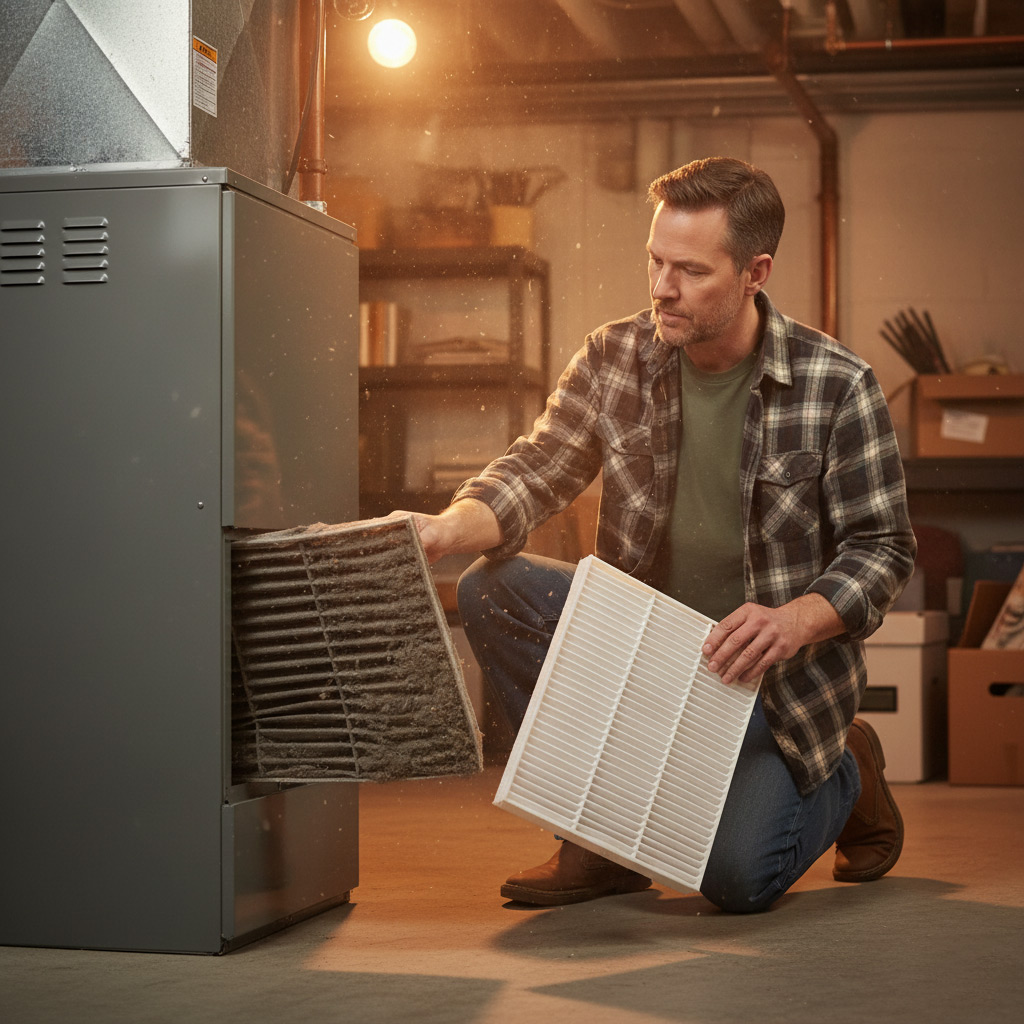
- Examine the Furnace Filter: A clogged filter restricts airflow, causing your furnace to overheat and shut down as a safety measure. Pull out your filter. If it looks like a furry monster, it's definitely time for a change.
- Ensure the Gas Valve is Open: If you have a gas furnace, trace the gas line to the furnace. There should be a shut-off valve, usually a lever. Make sure it's parallel with the gas line, indicating it's open. Sometimes it gets accidentally bumped.
- Check Pilot Light (Older Furnaces): For older models, a pilot light that’s gone out is a frequent issue. Follow your furnace’s instructions for safely re-lighting it. If it doesn’t stay lit, don’t keep trying; call a pro.
These initial checks take minutes, but they can save you hours of discomfort and potentially a service call for a trivial fix. Don't let the cold intimidate you; take these first decisive steps.
Beyond the Chill: Unmasking the Top Reasons Nashville Furnaces Fail
The truth is, most furnace breakdowns aren't some mysterious act of mechanical fate. Here in Nashville, your heating system faces unique challenges from those sudden temperature drops, and over time, common culprits emerge. Understanding these can save you a lot of headache (and shivering!), often pointing you towards a quicker solution.
While a definitive diagnosis needs a pro, knowing the usual suspects can help you understand what might be going on behind the scenes, giving you valuable insight before any repair technician even steps through your door.
Here are the top reasons Nashville furnaces decide to take an unexpected vacation:
- Dirty Air Filters: This is the grand champion of furnace killers. A clogged filter chokes airflow, making your system work harder, overheat, and eventually shut down. It's a simple fix, but often overlooked and causes immense strain.
- Ignition System Failures: Modern furnaces rely on electronic igniters or pilot lights to spark the flame. If these fail, your furnace simply can't light the burner, leaving you with nothing but cold, circulating air.
- Thermostat Troubles: Sometimes, the furnace isn't the problem at all! A faulty thermostat, dead batteries, or incorrect settings can trick your system into thinking it shouldn't be running, causing a confusing absence of heat.
- Worn-Out Components: Just like any hard-working machine, parts wear out. Components like the blower motor, flame sensor, or limit switch can simply reach the end of their lifespan, especially after years of battling unpredictable Tennessee winters.
- Lack of Maintenance: Many smaller issues snowball into major failures without regular check-ups. Ignoring annual service is like asking for trouble; tiny problems become big, expensive ones.
DIY or Dispatch? Knowing When to Call a Pro for Your Nashville Furnace
When your furnace coughs and goes cold, that first instinct might be to panic. But before you dial an emergency number, there are a few simple, safe checks you can perform yourself. Think of these as your quick, preliminary investigation.
Start by verifying your thermostat settings are correct: Is it on "Heat" and set higher than the current room temperature? Check its batteries too. Next, take a peek at your furnace's air filter; a clogged filter can choke airflow and cause shutdowns. Lastly, head to your electrical panel to see if the furnace's circuit breaker has tripped. Sometimes, a quick flip is all it takes to restore power.
When to Call for Backup: The Non-Negotiables
While those DIY steps might solve a minor hiccup, many furnace issues are not for the amateur. If your basic checks don't bring back the heat, or if you encounter any of these red flags, it’s time to call in the professionals immediately. Don't hesitate—your safety and the health of your system depend on it.
- No Heat After DIY: You've checked the thermostat, filter, and breaker, and still nothing. This usually points to an internal mechanical or electrical problem.
- Strange Noises: Grinding, banging, squealing, or persistent rattling sounds are indicators of serious internal component failure.
- Unusual Odors: A gas smell (evacuate and call 911 immediately!), or even a strong burning smell, requires professional attention without delay.
- Yellow Pilot Light: If your furnace has a pilot light and it's anything but a crisp blue flame, it could signal a carbon monoxide issue.
- Repeated Cycling: The furnace turns on and off too frequently without sufficiently heating your home. This could mean a faulty thermostat, ignitor issues, or other internal problems.
Trying to tackle complex repairs yourself can lead to further damage, void your warranty, or worse, create dangerous situations like gas leaks or electrical fires. For true peace of mind and lasting warmth, knowing when to step back and let the experts handle it is always the smartest move.
Restoring the Roar: What to Expect During a Professional Furnace Repair
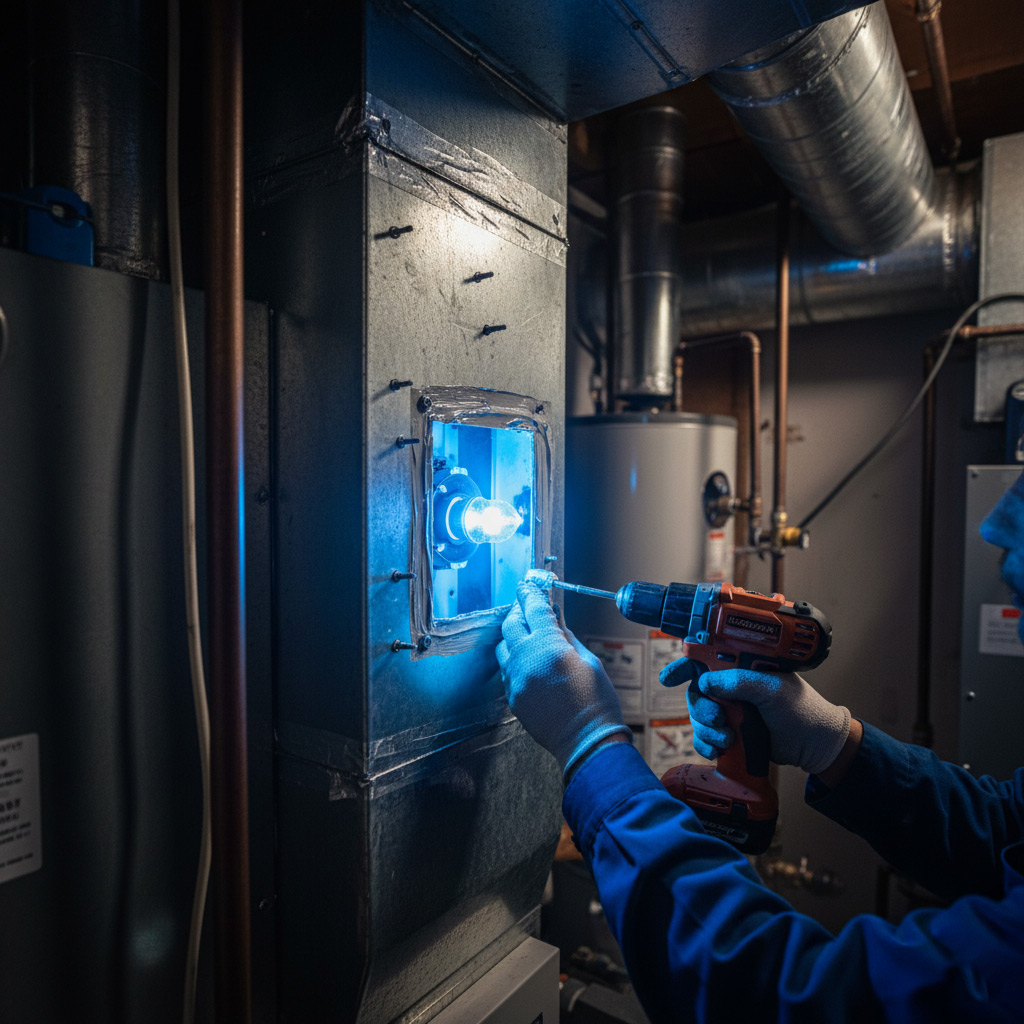
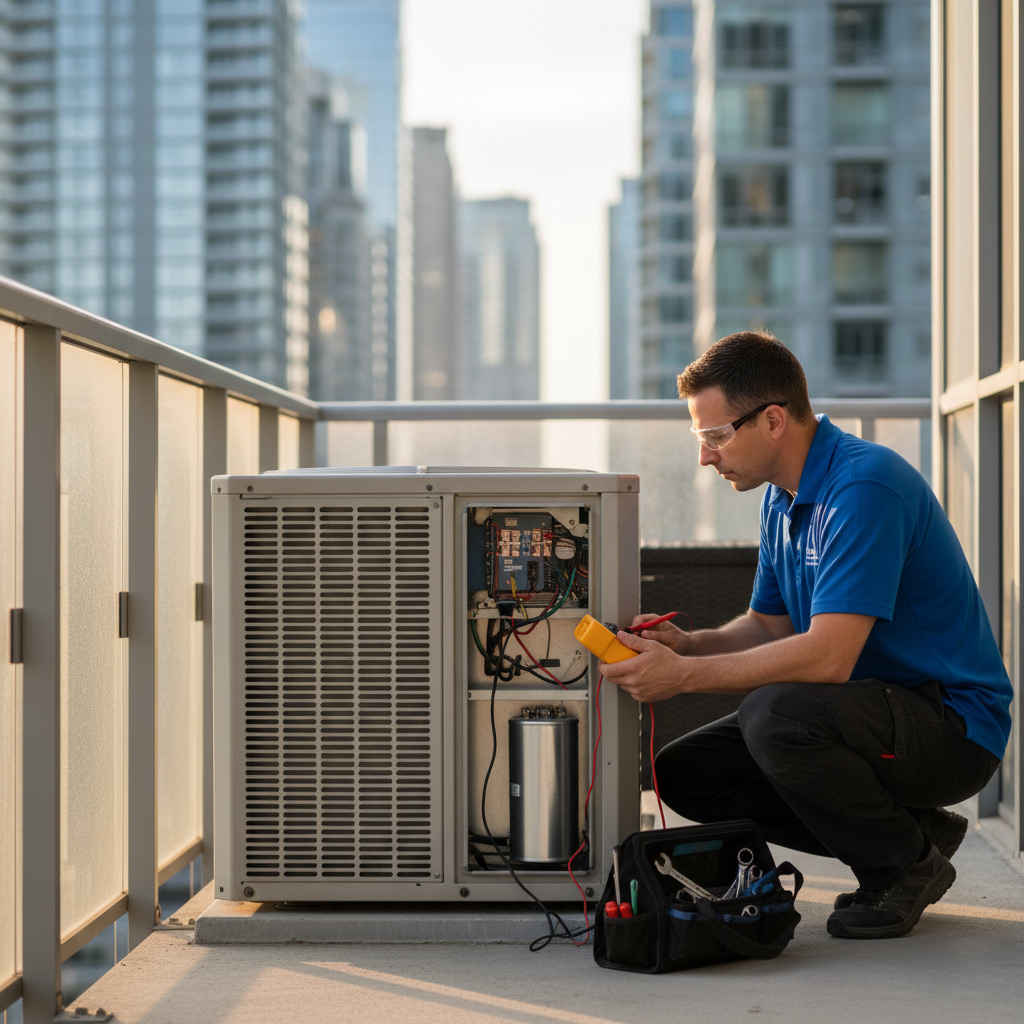
When our certified HVAC technician arrives at your Nashville home, their first priority is always safety and a rapid diagnosis. They won't just guess; they'll use specialized tools and their deep experience to meticulously pinpoint the exact cause of your furnace failure. This isn't guesswork; it’s a systematic approach to identifying the root of the problem, whether it's an electrical glitch, a faulty igniter, or a pressure switch issue.
Once the issue is clear, your technician will explain everything in plain English, not technical jargon. You’ll understand precisely what’s wrong, what parts are needed, and what the repair process entails. This transparency ensures you're never left in the dark, wondering about the steps involved or the investment required. We believe in clear communication, empowering you with information every step of the way.
The Repair Process: From Diagnosis to Warmth
Expect a swift, professional repair. Our trucks are stocked with common parts to tackle most furnace breakdowns on the spot, minimizing delays and getting your heat back fast. The actual repair might involve:
- Replacing worn-out components like igniters or flame sensors.
- Troubleshooting and fixing electrical connections or control board issues.
- Cleaning essential parts to restore proper airflow and function.
- Calibrating gas pressure for optimal and safe operation.
After the fix, a crucial step is thorough testing. The technician will cycle your furnace multiple times, monitoring its performance to ensure everything operates perfectly and safely. We won't leave until your furnace is running strong, providing reliable, consistent warmth throughout your home, just as it should.
Nashville's Night Rescue: A Case Study in Urgent Furnace Revival
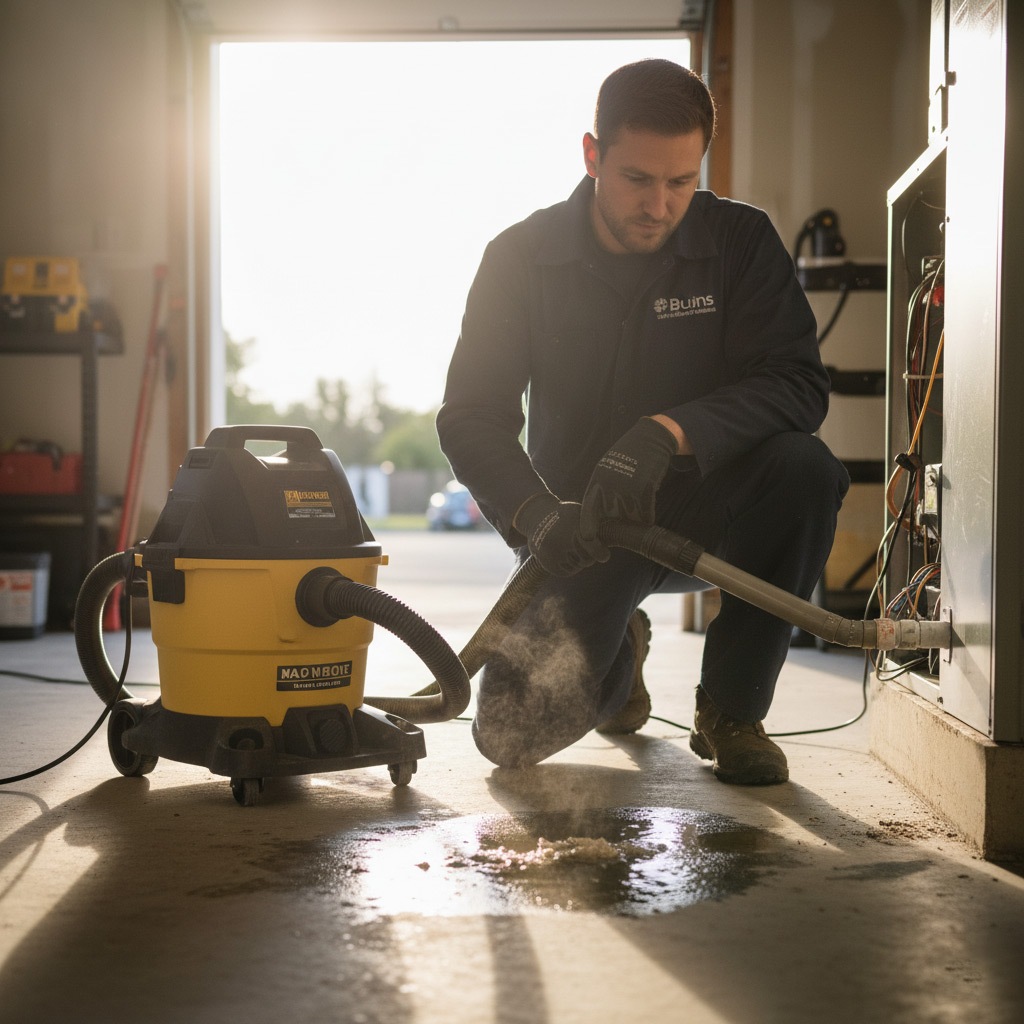
Let's talk real results. Picture the Miller family in Brentwood, a typical Nashville evening turning brutally cold. Their old furnace sputtered then went stone silent at 10 PM. Panic set in – two young kids, dropping temperatures. They called us, hoping for a miracle, expecting a long wait, but knowing they needed help fast.
Our emergency team understood the urgency. Within the hour, our certified technician, Mark, was at their door. No endless diagnostic dance, just a focused approach to find the core issue immediately.
What did Mark find? Not a total system meltdown, but a common culprit: a faulty ignitor, combined with a severely clogged air filter choking the airflow. These seem small, but they bring a whole system to its knees, creating that terrifying cold silence. Mark didn't just fix it; he showed them why it failed, offering quick preventative tips.
Within another hour, the Miller home was warm again. The unnerving silence replaced by the gentle hum of their resurrected furnace. This wasn't just a repair; it was restoring immediate safety and invaluable peace of mind.
Immediate Action, Lasting Comfort:
- Speed is paramount: When temperatures plummet, immediate professional response saves discomfort and prevents potential pipe freezes, which are far more costly to fix.
- Expert diagnosis: Our pros don't guess. They pinpoint the exact problem swiftly, often finding straightforward solutions to what feels like a major breakdown.
- Beyond the fix: We don't just get you warm. We provide actionable advice, empowering you with understanding to prevent future cold shocks and extend your furnace's life.
The Millers' story isn't unique. It's the standard of reliable, expert care we deliver to every Nashville home facing a furnace emergency – turning a night of dread into a return to warmth.
Preventing Future Freezes: Proactive Steps for Year-Round Comfort
You’ve seen firsthand how quickly a cozy Nashville home can turn into an icebox. But here’s the secret: you don't have to wait for another crisis. Proactive furnace care isn't just about fixing what’s broken; it's about making sure it never breaks in the first place.
Think of preventative maintenance as your winter insurance policy. A well-maintained furnace runs stronger, lasts longer, and costs less to operate. This isn't just theory; it's what keeps Nashville families warm all season without the unexpected cold shock.
Your Blueprint for Uninterrupted Warmth:
- Schedule Annual Professional Tune-Ups: This is paramount. A certified technician will deep-clean, inspect components, and adjust your system for optimal function. They’ll catch small issues—like loose wires or minor leaks—before they escalate into full-blown breakdowns.
- Replace Air Filters Routinely: This might seem small, but it's huge. A clogged filter chokes your furnace, making it work harder and consume more energy. Change it every 1-3 months during heating season, especially if you have pets or allergies.
- Keep Vents and Returns Clear: Make sure no furniture, rugs, or drapes are blocking your air registers or return vents. Proper airflow is non-negotiable for your furnace to heat your home evenly and efficiently.
- Listen and Observe: Pay attention to any new noises, strange smells, or inconsistent heating. Catching these early signs can prevent a minor hiccup from becoming a major headache.
Taking these simple, consistent steps ensures your furnace isn’t just limping along, but running at its absolute best. You’re not just preventing breakdowns; you’re saving money on energy bills and extending the life of your entire heating system. Don’t let the next cold snap catch you off guard.
Don't Let the Cold Win: Your Path to Lasting Warmth
When your Nashville home goes from cozy to arctic, it's more than just a busted machine – it’s a disruption to your family’s comfort and safety. You’ve seen the chilling signs, understood the common culprits, and now you know the difference between a quick DIY fix and a job for the pros.
The critical takeaway here is that prompt, knowledgeable action is your best defense against prolonged cold and potential hazards, ensuring your path to lasting warmth.
Achieving true, lasting warmth in your home isn't just about reacting when things go wrong; it’s about establishing a consistent strategy. Think of your furnace as a vital organ for your home, requiring regular check-ups and expert attention to perform optimally.
By choosing reputable professionals for repairs and embracing preventative maintenance, you're not just fixing today's problem, you’re investing in years of uninterrupted comfort.
Don’t let the next cold snap catch you off guard again. If your furnace is struggling, making strange noises, or has simply given up the ghost, it’s time to call in the cavalry.
Trusting experienced local technicians ensures that your system is handled with expertise, bringing back the warmth you deserve – and keeping it there. For reliable Heating System Repair you can count on, our team is ready to deliver.
People Also Ask
What should I do immediately if my furnace stops working in Nashville?
First, check your thermostat settings to ensure it's on "heat" and the temperature is set above the current room temperature. Then, inspect your furnace's power switch and circuit breaker for any tripped fuses, and replace dirty air filters which can restrict airflow.What are common reasons furnaces fail in the Nashville area?
Common causes include dirty air filters restricting airflow, ignition system problems like faulty pilot lights or igniters, and mechanical wear and tear on components like the blower motor or limit switch. These issues are often exacerbated by inconsistent maintenance during Nashville's fluctuating seasons.How do I know if my furnace problem requires a professional HVAC technician?
You should call a professional if you smell gas, hear loud banging or grinding noises, or if basic troubleshooting like checking the thermostat and circuit breaker doesn't restore heat. Consistent lack of heat or a repeatedly tripping circuit breaker also indicates a need for expert diagnosis and repair.What preventative measures can I take to avoid furnace breakdowns?
Regularly change your furnace's air filter every 1-3 months, especially during peak heating season, and schedule annual professional maintenance. An HVAC technician can catch minor issues before they become major failures, ensuring your system runs efficiently and reliably throughout the winter.
Nashville HVAC offers extensive experience in climate control solutions. The team is dedicated to maintaining comfortable indoor environments throughout the Nashville area. They are a trusted local resource committed to dependable service.
Need HVAC?
We provide rapid solutions and swift service outcomes across Nashville, TN and nearby areas (37203, 37205, 37209, 37211, 37214).
Instant Estimate