Imagine this: It’s another sweltering Nashville summer day, or maybe a bone-chilling winter night. You walk into your home, expecting that sweet relief from your heat pump, only to be met with... nothing. Just stale, uncomfortable air.
That sudden silence, or perhaps a strange gurgle, can instantly turn your peaceful evening into a frustrating guessing game. Is it the thermostat? The outdoor unit? Maybe something far worse? This isn't just an inconvenience; it's a breakdown of your home's central comfort system, and the questions start piling up faster than Nashville traffic.
You’re not alone in feeling that sinking feeling when your heat pump decides to take an unscheduled vacation. But before you panic, understand that many common issues have clear, understandable solutions. Let's pull back the curtain on this heat pump riddle and get you back to comfortable temperatures.
Your First Clues: Simple Checks for a Silent Heat Pump
Alright, so your heat pump has gone silent, leaving you wondering what hit it. Before panic sets in faster than a Monday morning commute on I-65, let’s go through the quick, easy checks. Often, the solution is right there, waiting for a simple adjustment.
Is Your Thermostat on Point?
First stop: your thermostat. This little device is the brain of your entire comfort system. Double-check its settings. Is it set to "Heat" when you need warmth, or "Cool" for that summer relief? Make sure the desired temperature is actually demanding action – if your house is 72°F and you set it to 71°F for cooling, it might not kick on immediately.
- Mode Check: Confirm it's on Heat or Cool, not just "Fan" or "Off."
- Temperature Setting: Adjust the setpoint at least 3-5 degrees from the current room temperature to trigger a response.
- Battery Life: If it’s a digital thermostat, fresh batteries can solve a surprising number of "mysteries."
Power Up: Breakers and Switches
No power means no comfort. Head to your electrical panel. Look for any tripped breakers, especially those labeled for "Furnace," "Air Handler," or "Heat Pump." A quick flip back to the "On" position can often restore power. Also, check for any external disconnect switches near your outdoor unit – sometimes these are accidentally flipped off.
A simple power interruption is far more common than you think. Don't skip this step! It's a fundamental troubleshooting move that can save you a service call.
Common Culprits: Understanding Why Your Heat Pump Stops Working
Often, the "mystery" behind a silent or struggling heat pump starts with surprisingly simple explanations. Before you panic, check your thermostat settings – is it set to heat or cool, and is the temperature appropriately adjusted? A dead battery in a wireless thermostat is a remarkably common culprit, causing total system shutdown.
Another prime suspect is your air filter. A clogged, filthy filter chokes your system's airflow, forcing it to work harder, reduce efficiency, and potentially even freeze up or shut down entirely. A quick glance at that filter could save you a service call.
Beyond the simple stuff, we often see power-related hiccups that can completely disable your unit. Take a quick look at your electrical panel for a tripped breaker, especially if your heat pump is completely unresponsive. Don't forget the dedicated shut-off switch near your outdoor unit, which can sometimes be accidentally flipped.
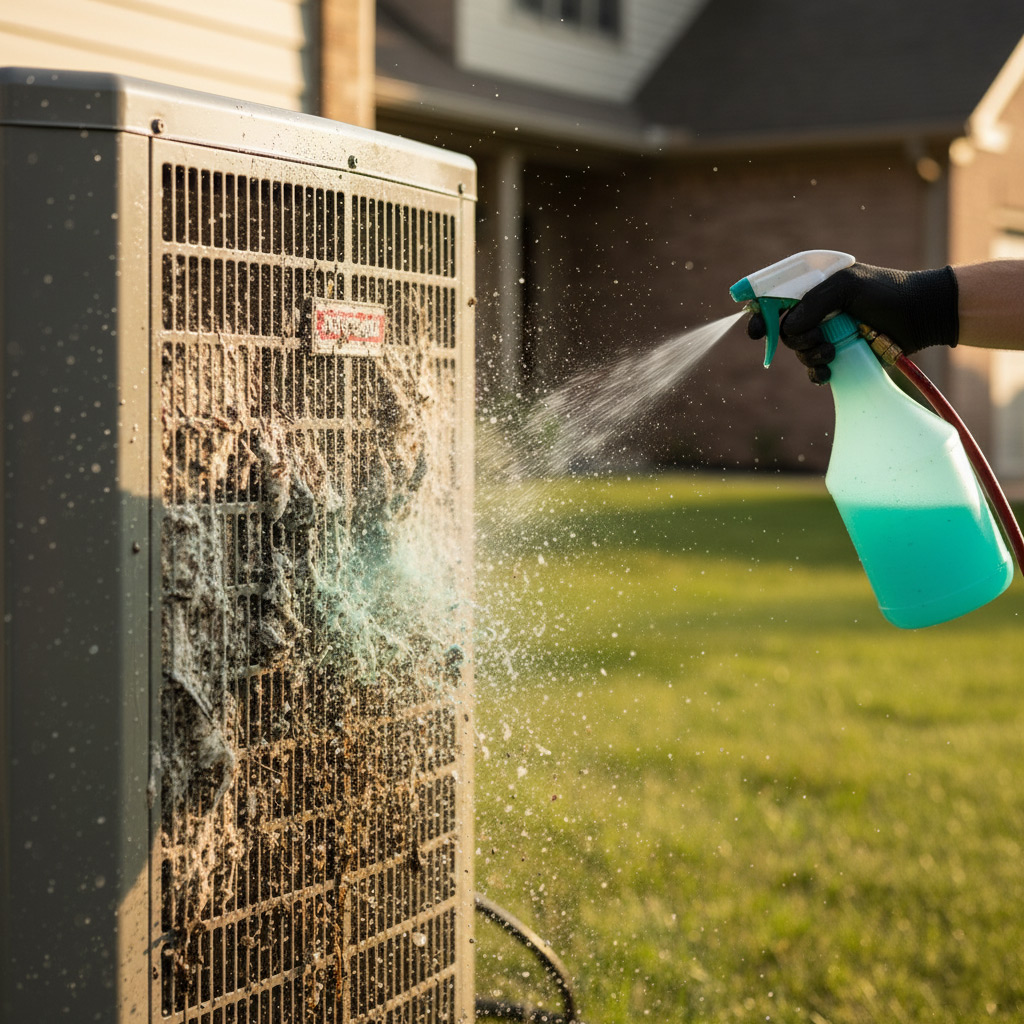
Outdoor units, while built tough, aren't immune to their surroundings. Overgrown bushes, leaves, or other debris can significantly restrict airflow around the condenser coil, hindering its ability to exchange heat and forcing it to overwork. Keep that area clear for optimal performance and efficiency.
And then there's the tell-tale sign of ice, particularly on the outdoor unit's coils. While some frost during a defrost cycle is expected, a significant buildup of ice often points to a deeper issue like critically restricted airflow, a low refrigerant charge, or a faulty defrost mechanism. This isn't just a symptom; it's a flashing warning light from your system telling you something is seriously wrong.
Delving Deeper: Compressor, Refrigerant, and Electrical Faults
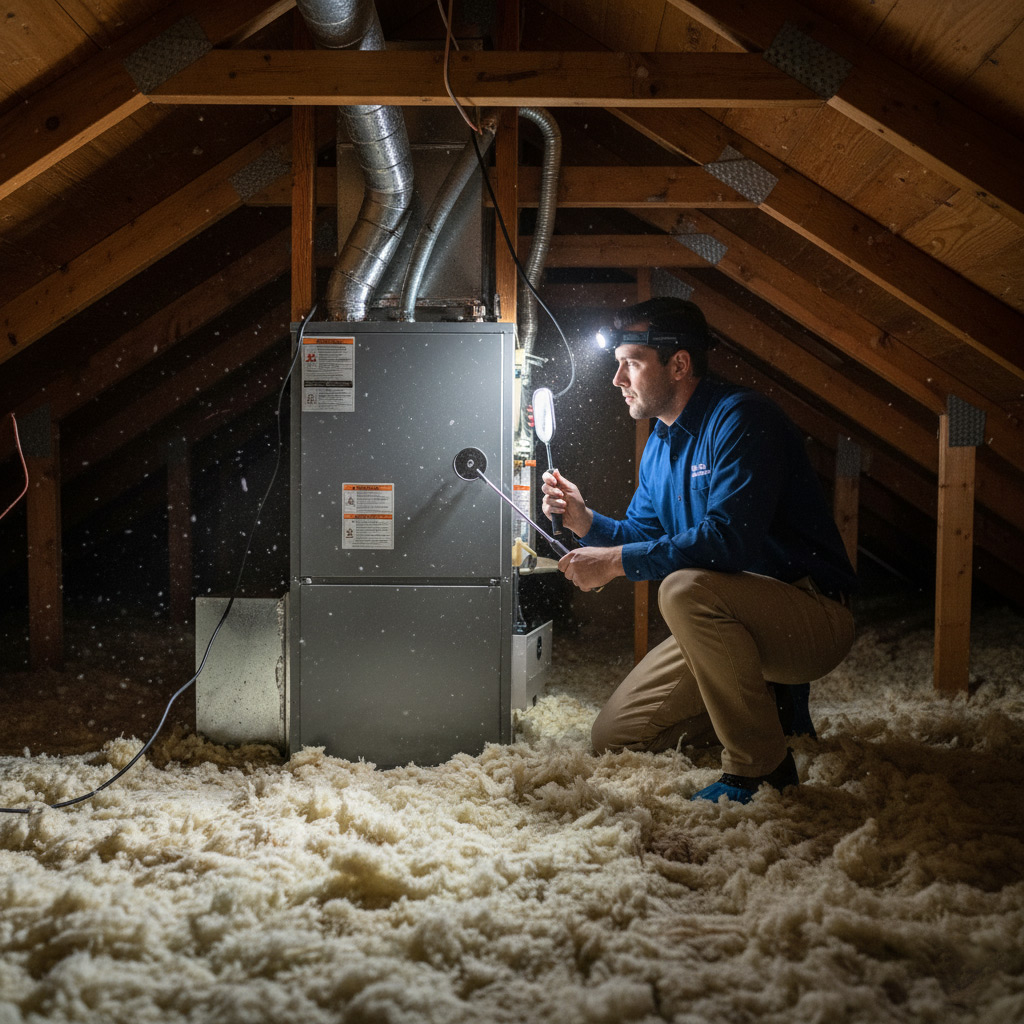
Sometimes, the issue goes beyond simple fixes and dives into the core components of your heat pump. The compressor is the heart of your system, responsible for circulating refrigerant and driving the entire heating and cooling process.
If you hear strange grinding noises, the unit is humming but not running, or there’s absolute silence when it should be active, your compressor might be failing. A faulty compressor means your system won't move heat, leaving you in an uncomfortable bind. It’s a serious issue that often requires professional diagnosis.
The Silent Killer: Refrigerant Leaks
Refrigerant is the lifeblood that transfers heat, making your home comfortable. If your heat pump is low on refrigerant due to a leak, you’ll notice a significant drop in performance and efficiency.
Signs of trouble include: weak airflow, the outdoor unit freezing over (even in summer!), or a persistent hissing sound near the lines. Ignoring a leak can lead to severe damage to your compressor, turning a relatively simple fix into a much larger, more expensive problem.
Power Play: Electrical Gremlins
Sometimes, the biggest mystery is an unseen electrical issue. Your heat pump relies on a complex network of wires, capacitors, and contactors to operate correctly.
A burnt-out capacitor, a sticky contactor, or even a tripped circuit breaker can render your entire system useless. These electrical components can fail due to age, power surges, or simply wear and tear, stopping your heat pump dead in its tracks and leaving you scratching your head.
The Nashville Factor: Dealing with Defrost Cycles and Low Ambient Temperatures
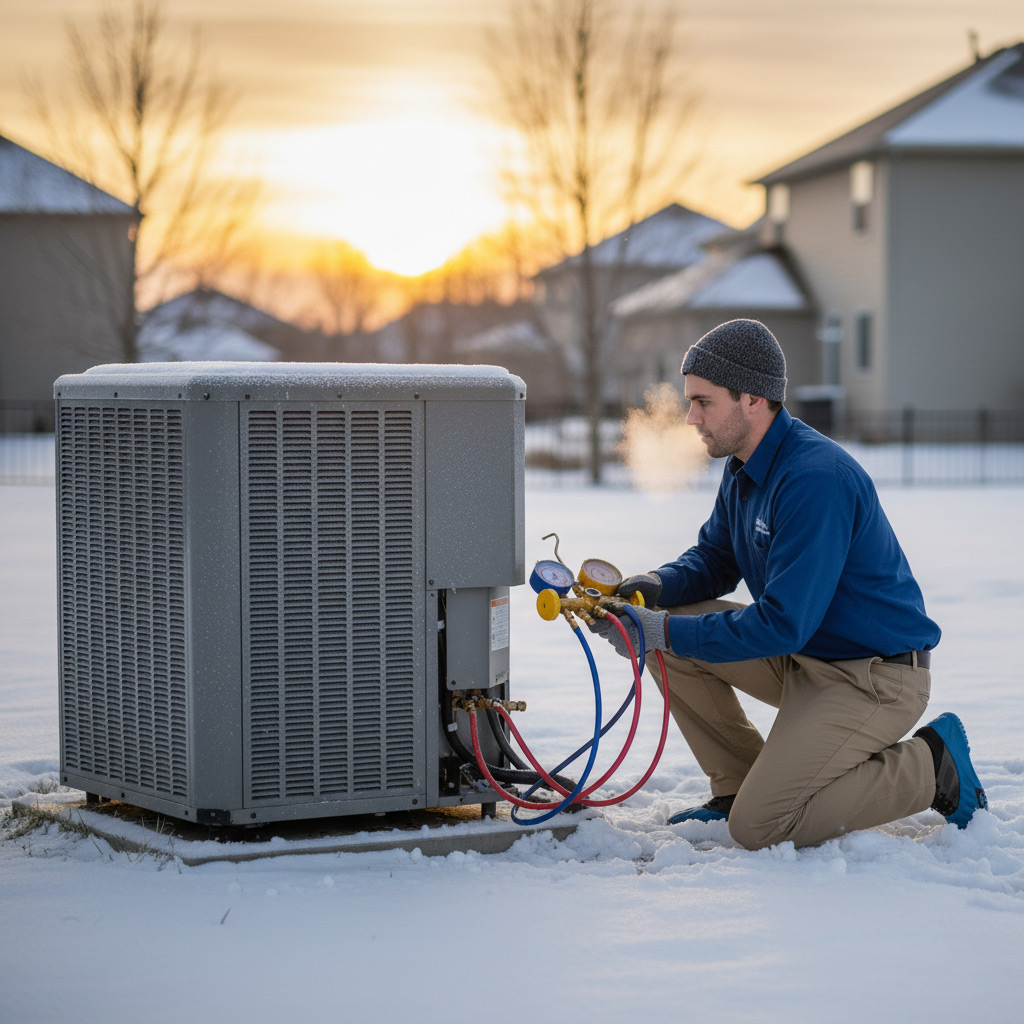
Living in Nashville means experiencing all four seasons, often with dramatic swings from balmy to biting cold. When those crisp winter mornings hit and temperatures dip below freezing, your heat pump might seem to pause or blow cool air. What you're likely witnessing is a normal, crucial process: the defrost cycle, a specific challenge for our local climate.
Heat pumps efficiently extract heat from outdoor air, even when it's chilly. However, when the outdoor coil gets too cold, moisture in the air can freeze onto it, hindering its ability to gather heat. Your system intelligently senses this and temporarily reverses its operation for a few minutes, acting like an AC to melt that accumulated ice. You might observe steam rising from the outdoor unit or hear the fan running without warm air circulating indoors – this is perfectly normal and essential for continuous, efficient operation.
When Nashville's Deep Cold Tests Your Heat Pump
Beyond the defrosting act, Nashville's genuinely cold snaps, particularly when the mercury truly plunges into the low 30s or 20s, push traditional heat pumps to their functional limits. Most standard heat pumps perform optimally and most efficiently above 35-40°F. When outdoor temperatures drop significantly lower, your system relies more heavily on its supplementary heat source, often built-in electric resistance coils, to maintain your home's warmth.
If you notice an unexpected spike in your electric bill during a deep freeze, or your home isn't quite reaching its set temperature as quickly, it’s a good sign your auxiliary heat is working harder. This isn't a fault but a designed feature to ensure comfort during extreme cold. However, if that auxiliary heat runs constantly without your home getting adequately warm, then you have a genuine Nashville heat pump mystery on your hands, and it’s time for a professional eye.
A True Nashville Comfort Story: Solving a Stubborn Heat Pump Issue
Consider the tale of Sarah from Germantown. Her heat pump kept acting up – sometimes it would blast cold air in winter, other times it just hummed without heating or cooling much at all. She'd tried resetting the thermostat, checking the circuit breaker, and even dusting off the outdoor unit, but the problem persisted like a stubborn guitar riff.
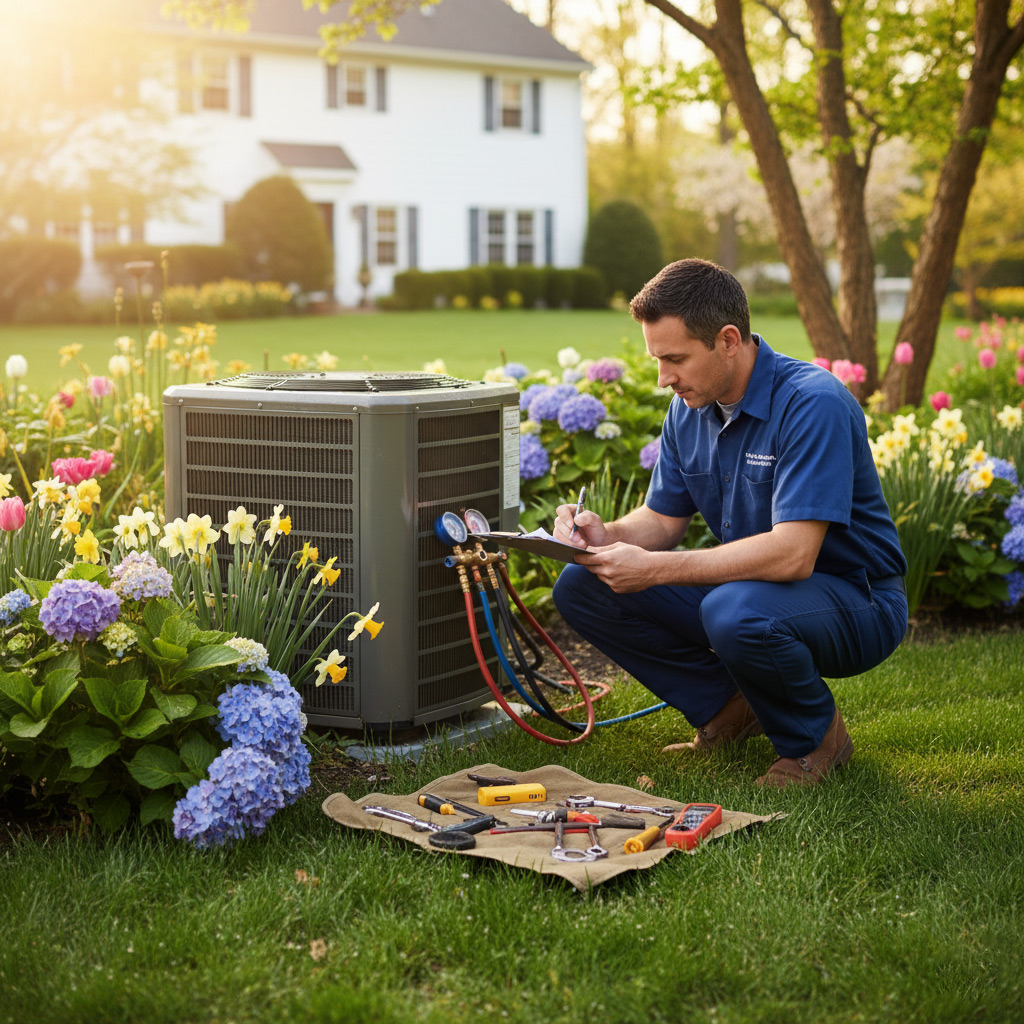
When our team arrived, the initial diagnostics didn't immediately reveal an obvious culprit; the refrigerant levels looked okay, and the compressor was kicking on. This is where experience truly pays off. After a more in-depth inspection, our technician noticed a subtle discoloration and corrosion on a specific capacitor within the outdoor unit's control board. It was failing intermittently, causing erratic behavior that mimicked several different problems.
It turned out to be a classic case of a faulty capacitor, a small but critical electrical component that was disrupting the entire system's ability to switch between heating and cooling modes properly. Once identified and replaced, Sarah’s heat pump roared back to life, providing that consistent, comfortable Nashville climate she depended on. It wasn't the simplest fix, but it highlighted why a trained eye is often the only way to solve these "mystery" issues.
Beyond DIY: When to Call Your Local Nashville HVAC Experts
Look, while checking filters or resetting breakers is smart, there comes a point where DIY tinkering can do more harm than good. When you're dealing with issues like a suspected refrigerant leak or complex electrical components, you’re not just risking damage to your expensive system; you’re risking your personal safety. These aren't minor fixes; they require specialized knowledge and tools that most homeowners simply don't have.
That's when it's time to call in the pros, especially your trusted local Nashville HVAC experts. We bring years of experience specifically with heat pumps in this challenging climate, along with sophisticated diagnostic equipment to pinpoint the exact problem quickly. This isn't guesswork; it’s precise, efficient troubleshooting that saves you time, frustration, and often, more expensive repairs down the line.
Final Words
You've navigated the initial checks for your Nashville heat pump, but sometimes the "mystery" runs deeper than a tripped breaker. Don't let a faltering unit steal your peace of mind, especially with our city's unpredictable weather swings.
A reliable heat pump isn't just a comfort; it’s a non-negotiable for enjoying your home year-round, regardless of what Mother Nature throws at us.
Attempting complex repairs without proper diagnostic tools or specialized knowledge can quickly turn a minor hiccup into a major, costly headache. True HVAC professionals possess the expertise to pinpoint refrigerant leaks, diagnose compressor failures, or untangle intricate electrical faults accurately.
Investing in professional heat pump service ultimately saves you more than just time – it protects your wallet and guarantees lasting comfort.
When your heat pump truly falters, trust the local pros who live and breathe Nashville's unique climate challenges. We're here to swiftly restore your home's ideal temperature, ensuring you don't miss a beat.
For dependable heat pump repair that gets the job done right, give us a call. Let's get your system running flawlessly, so you can stop guessing and start relaxing.
People Also Ask
Why is my Nashville heat pump blowing cold air in heating mode?
This often indicates a problem with the refrigerant levels, a malfunctioning reversing valve, or an issue with the auxiliary heat not engaging. In Nashville's winter, insufficient heating could also point to a failed defrost cycle or a struggling compressor.What are the most common reasons a heat pump stops heating or cooling entirely?
Frequent culprits include a tripped circuit breaker, a dirty air filter restricting airflow, or a malfunctioning thermostat. More complex issues could involve a failed capacitor, a refrigerant leak, or a faulty compressor preventing the system from operating.How often should a heat pump's filter be checked or replaced in Nashville?
Generally, you should check your heat pump's air filter monthly and replace it every 1-3 months, depending on usage and household conditions. Nashville's seasonal allergens and dust can necessitate more frequent changes to maintain optimal airflow and system efficiency.Is it normal for my heat pump to go into defrost mode frequently during winter?
Yes, it is normal for a heat pump to periodically enter defrost mode during cold Nashville winters to remove ice buildup from the outdoor coil. However, if it's defrosting excessively or staying in defrost for prolonged periods, it might indicate a sensor issue or a refrigerant problem.When should I call a professional for a heat pump that isn't working?
You should call a professional HVAC technician if basic troubleshooting like checking the thermostat or circuit breaker doesn't resolve the issue. Persistent problems like no heating/cooling, strange noises, or frequent cycling typically require expert diagnosis and repair.
Nashville HVAC offers extensive expertise in heating and cooling, serving the specific needs of local homes and businesses. Their experienced team is dedicated to providing reliable comfort solutions across the Nashville area.
Need HVAC?
We provide rapid solutions and swift service outcomes across Nashville, TN and nearby areas (37203, 37205, 37209, 37211, 37214).
Instant Estimate