Picture this: It’s the dead of summer in Nashville, and your AC suddenly coughs its last breath. Or maybe it’s a frigid winter night, and the furnace goes eerily silent. That gut-punch feeling? That immediate wave of panic and "what now?"
An HVAC emergency isn't just an inconvenience; it's a sudden, unwelcome crisis that can turn your comfortable home into a sweatbox or an icebox in minutes. The stress of a broken system, especially when you need it most, can make you feel completely helpless.
But here’s the thing: you don't have to face it blind. Knowing what to do, what to look for, and how to react can make all the difference between a minor headache and a major meltdown. We’re talking about more than just finding a repairman; we’re talking about taking control.
This isn't just another checklist; it's your go-to plan for staying calm and making smart decisions when your heating or cooling decides to quit. We’re about to equip you with the insights you need to handle these unexpected breakdowns like a seasoned pro.
Immediate Actions: Your First Response to an HVAC Breakdown
The moment your HVAC system gives up the ghost, a chill (or sweat) runs down your spine. Your first instinct might be panic, but that’s precisely when you need to act smart and fast. Don't waste precious minutes standing there, staring at a silent unit. Take control and follow these critical immediate steps.
First, always prioritize safety. If you smell gas, hear strange grinding noises, or see sparks, shut down the system immediately at the thermostat and then at the circuit breaker. This isn't just about saving your wallet; it's about protecting your home and everyone in it. Remember, your safety comes first, every single time.
Your Quick Checklist for a System Gone Quiet:
- Check the Thermostat: Is it set to the correct mode (heat/cool) and temperature? Sometimes, a simple setting change is all it takes. Make sure the batteries aren't dead.
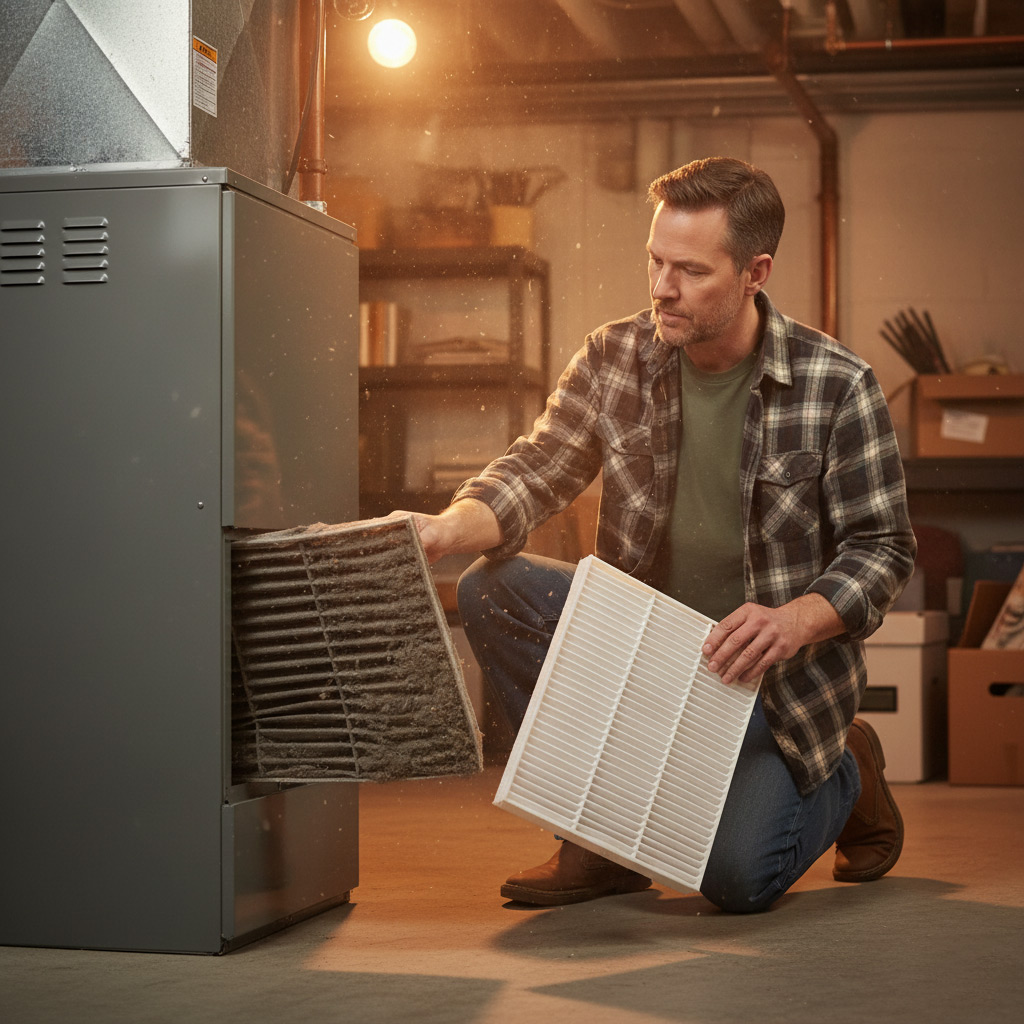
- Inspect the Air Filter: A severely clogged filter can choke your system, causing it to shut down. If it looks like a furry monster, replace it.
- Look at the Breaker Box: A tripped circuit breaker is a common culprit. Locate your HVAC breaker and flip it completely off, then back on. Don't just nudge it.
- Outdoor Unit Check (AC): Ensure nothing is blocking the outdoor condenser unit. Remove any leaves, branches, or debris that might be restricting airflow.
- Furnace Pilot Light (Gas Furnace): For older gas furnaces, check if the pilot light has gone out. Refer to your owner's manual for safe relighting instructions, or leave this to the pros.
Once you’ve gone through this quick checklist, you'll have a much clearer picture of whether it’s a simple fix or something more serious. Even if these steps don't solve the problem, you've provided valuable diagnostic information for the professionals who will be coming to your rescue.
Identifying the Crisis: Key Signs You Need Emergency HVAC Repair
So, your system isn't working right. But is it just a glitch you can ignore for a day or two, or is it a flashing red light screaming for immediate attention? Knowing the difference can save you from bigger problems, bigger bills, or even potential hazards.
Sudden Loss of Function
The most obvious sign of an HVAC emergency is a complete shutdown. If your AC is blowing only warm air in the middle of a Nashville summer, that’s a direct call for help. Similarly, if your furnace is stone-cold when temperatures plummet, your comfort and safety depend on swift action.
Don't just shrug it off hoping it fixes itself. When a system outright quits, something critical has failed. This isn't a "wait and see" situation; it's a definite emergency.
Unusual Noises or Odors
Listen closely to your HVAC unit. Are you hearing grinding, screeching, or banging sounds that weren't there before? These often point to a mechanical failure that can quickly worsen if ignored, leading to more extensive damage.
Even more critically, pay attention to any strange smells. A burning odor could indicate serious electrical issues. A rotten egg smell might signal a gas leak – a life-threatening safety hazard that requires immediate evacuation and a call to both your gas company and an emergency HVAC service.
Water Leaks and System Overload
If you see water pooling around your indoor unit or furnace, don't delay. While sometimes it’s a clogged drain line, excessive water can cause significant property damage or dangerous electrical shorts. Addressing it quickly prevents mold growth and structural issues.
Finally, if your system runs constantly but never reaches the thermostat setting, it's struggling hard. This constant overworking puts immense strain on components and signals a deep-seated problem that needs expert diagnosis before total breakdown.
When to Call the Pros: Differentiating DIY Fixes from Urgent Needs
Nobody wants to call an HVAC technician if a quick flick of a switch can solve the problem. Before panic sets in, there are a few genuinely simple checks you, the homeowner, can perform. These are your first line of defense, potentially saving you a service call fee and getting your comfort back faster.
Start with the basics: Is your thermostat set correctly? Is it on "cool" or "heat," depending on the season, and is the temperature setting below (for cooling) or above (for heating) the current room temperature? Check your air filter – a severely clogged filter can choke your system, mimicking a breakdown. Finally, head to your electrical panel; a tripped circuit breaker for your HVAC unit is a common culprit and an easy fix.
When to Pick Up the Phone, Not the Tools
However, let's be crystal clear: beyond those very basic troubleshooting steps, your intervention stops. If your unit is making grinding noises, emitting burning smells, leaking fluids, or simply won't turn on after you’ve checked the breaker, it’s time for a professional. Attempting complex repairs on refrigerant lines, electrical systems, or gas furnaces without proper training isn't just risky for your unit; it's a serious safety hazard for you and your family.
Consider these immediate red flags that absolutely demand a pro:
- No power after checking the breaker: This could indicate a deeper electrical issue.
- Burning smell or smoke: This is a definitive safety concern; turn the unit off immediately.
- Refrigerant leaks: Identified by a hissing sound or ice on the lines, this is a job for certified technicians only.
- Gas smell: If you detect gas, evacuate your home and call the gas company and an HVAC professional right away.
- Persistent strange noises: Grinding, banging, or screeching sounds usually point to failing mechanical components.
Selecting Your Lifeline: Choosing a Reliable Nashville HVAC Emergency Service
Your HVAC just quit, and every second feels like an hour when Nashville’s weather bites back. This isn't the moment for guesswork; it's the moment for a strategic move. You need to call someone who can actually fix your problem, fast, and not just make it worse.
When you’re in the hot seat, literally or figuratively, choosing the right emergency HVAC service in Nashville makes all the difference. Don't just grab the first number you see. You need a company that's ready, capable, and honest.
Look for These Non-Negotiables:
-
Round-the-Clock Availability: An "emergency" service that only works 9-to-5 isn't an emergency service at all. Verify they offer genuine 24/7 service. A quick response time is crucial when your home's comfort system fails.
-
Proven Local Expertise: Nashville’s weather swings demand specific HVAC knowledge. Your chosen pros should understand the typical wear and tear on systems here, allowing for quicker, more accurate problem-solving.
-
Proper Licensing & Insurance: This is your absolute minimum standard. A fully licensed and insured HVAC company protects you from liability and ensures their technicians are qualified to handle complex repairs. Never compromise on this.
-
Transparent Pricing: Nobody needs sticker shock during a crisis. Ask upfront about diagnostic fees and how they structure their repair estimates. A reputable company will provide clear explanations, not vague promises.
-
Solid Reputation & Reviews: What are other Nashville residents saying? Check online reviews and testimonials. A consistent pattern of positive feedback indicates reliability and quality service when it counts most.
Beyond the Repair: What to Expect During an Emergency Service Call
When the emergency HVAC team rolls up to your Nashville home, it's more than just a quick fix. You’re bringing in a professional who understands the urgency of your situation. They aren't just there to turn a wrench; they’re there to restore your comfort and peace of mind.
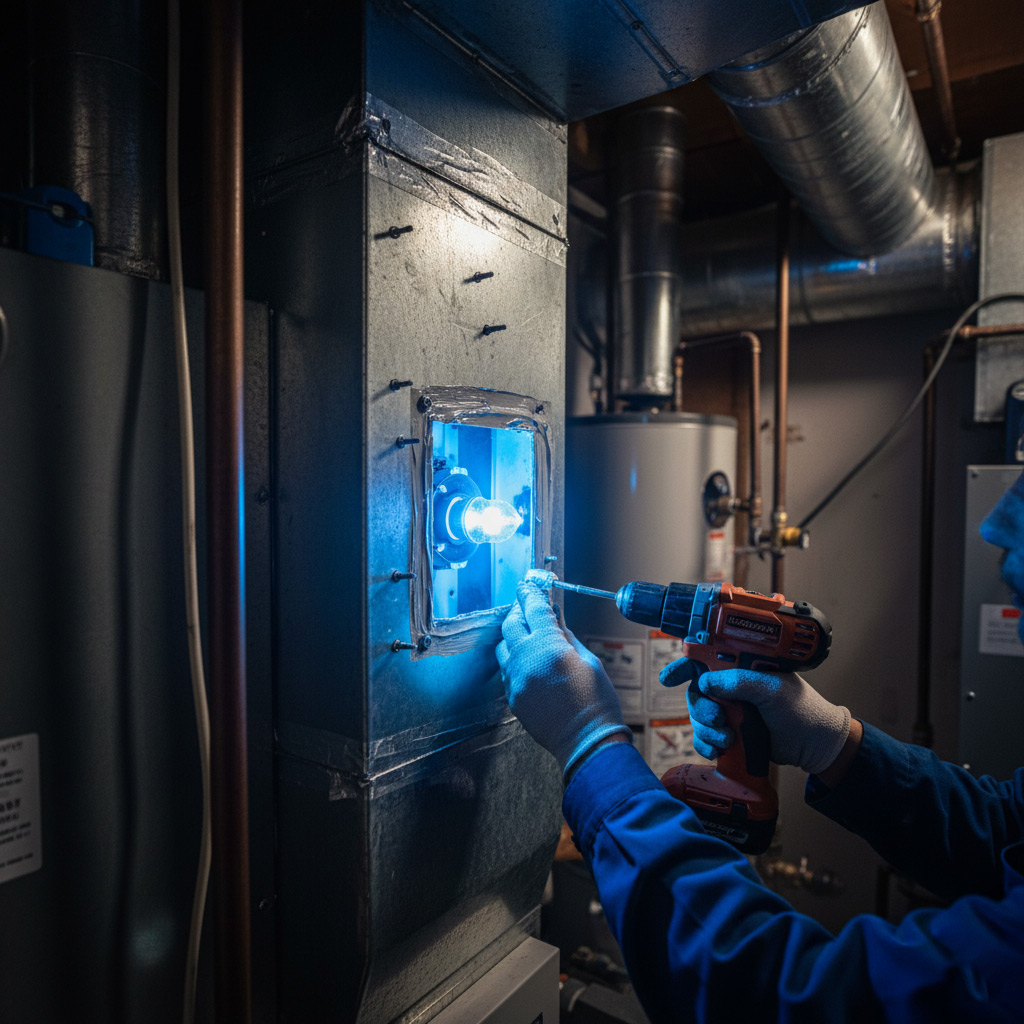
The first thing to expect is a thorough, systematic approach. The technician won't just guess; they'll perform a detailed diagnostic to pinpoint the exact cause of your system failure. This usually involves checking electrical components, refrigerant levels, air filters, and examining the overall health of your unit. They’re looking for the root of the problem, not just a band-aid solution.
Your Service Call Playbook: From Arrival to Resolution
Once the diagnosis is complete, a good emergency technician will clearly explain what’s wrong. They’ll outline the necessary repairs, give you a precise quote, and detail the timeline for getting your system back online. No hidden fees, no vague language. You'll get straight answers so you can make an informed decision.
The repair process itself will be executed with precision. Your technician will have common replacement parts on hand, often allowing for immediate fixes right there on the spot. After the repair, they’ll rigorously test the system to ensure everything is running perfectly and safely. They won’t leave until your home is comfortable again and you understand what was done.
- Clear Communication: Expect a detailed explanation of the issue and the fix.
- Transparent Pricing: You’ll get a clear, upfront quote before any work begins.
- Efficient Repair: Technicians arrive prepared with common parts for faster service.
- Post-Repair Check: Your system will be fully tested to guarantee optimal function.
- Preventative Tips: Often, they’ll offer advice on how to avoid future emergencies.
Think of it as getting a lifeline for your home. You're not just paying for a repair; you're investing in immediate comfort and a trustworthy assessment of your system's health. The goal is to get your home feeling normal again, fast.
Saving the Day in Nashville: An HVAC Emergency Case Study
Imagine this: It was a brutal August evening in Franklin, TN, with temperatures still well into the 90s after sundown. The Johnson family, with two small children, suddenly noticed their AC unit was no longer cooling. Instead, it was just pushing warm, stale air.
Panic set in quickly. They had tried resetting the thermostat and checking breakers, but nothing worked. With an infant and a toddler struggling to sleep in the sweltering heat, it was a genuine crisis. That's when they made the call to us, late at night, desperate for help.
Our Emergency Response in Action
Our certified technician was dispatched immediately, arriving at their home within the hour. After a thorough inspection, the problem was diagnosed: a failed capacitor, a common but critical component that had simply given out under the strain of continuous summer operation.
Having a fully stocked service vehicle is key to these situations. Our technician had the exact part on hand, performing the necessary replacement efficiently and precisely. Within another hour, the Johnsons felt that glorious rush of cold air returning, bringing instant relief and restoring calm to their home.
The Takeaway for Nashville Homeowners
This isn't just one story; it's a testament to why choosing a responsive, well-equipped local service matters. When your HVAC system fails unexpectedly, especially during extreme weather, you need more than just a repair – you need a solution, and you need it fast.
- Speed of Service: Emergencies don't wait for business hours.
- Expert Diagnosis: Knowing exactly what's wrong saves time and money.
- Parts Availability: A stocked truck means faster repairs, not waiting days for a part to arrive.
- Peace of Mind: Getting your home comfortable again quickly is priceless.
The Johnson family got their comfort back and learned the value of having a reliable Nashville HVAC emergency contact. Don't wait for your own crisis to find yours.
Conclusion.
Look, an HVAC emergency hits hard. It stops you cold. But now you know the drill. You've got the survival playbook. No more blind panic. You know what to watch for and how to respond.
Your job isn't to fix everything. Your job is to act smart. When your system screams for help, the smartest move is calling in the heavy hitters. Get expert HVAC repair when it matters most. That's how you cut the crisis short.
Don't wait for disaster to strike twice. Be ready. Have your emergency contact locked and loaded. Your comfort in Nashville depends on it.
People Also Ask
What defines an HVAC emergency in Nashville?
An HVAC emergency typically involves a complete system failure, a dangerous gas leak, or a complete lack of heating or cooling during extreme Nashville weather. These situations pose immediate risks to comfort, health, or safety, requiring urgent professional attention.What immediate steps should I take if my HVAC system fails unexpectedly in Nashville?
First, check your thermostat and electrical breakers to rule out simple fixes or power issues. If the problem persists, contact a reliable Nashville HVAC emergency service promptly to diagnose and resolve the issue safely.How can I tell if my HVAC issue requires immediate emergency repair versus a standard service call?
An emergency generally involves situations impacting safety, like a gas smell or carbon monoxide alarm, or critical comfort loss during severe weather. If your home's temperature is becoming dangerously hot or cold, or you suspect a leak, it's an emergency.Is emergency HVAC repair in Nashville more expensive than a regular service appointment?
Yes, emergency HVAC services often incur higher costs due to after-hours labor rates and the immediate dispatch required outside of standard business hours. However, many reputable Nashville HVAC companies offer transparent pricing and upfront estimates for emergency calls.What are some tips to prevent future HVAC emergencies in my Nashville home?
Regular maintenance, including seasonal tune-ups, is crucial for preventing unexpected breakdowns and extending your system's lifespan. Promptly addressing minor issues, such as strange noises or inconsistent heating/cooling, can also prevent them from escalating into major emergencies.
Nashville HVAC brings extensive expertise to every heating and cooling challenge. With years of experience, the company provides dependable solutions across Nashville, TN. They are dedicated to ensuring comfort for local homes and businesses.
Need HVAC?
We provide rapid solutions and swift service outcomes across Nashville, TN and nearby areas (37203, 37205, 37209, 37211, 37214).
Instant Estimate